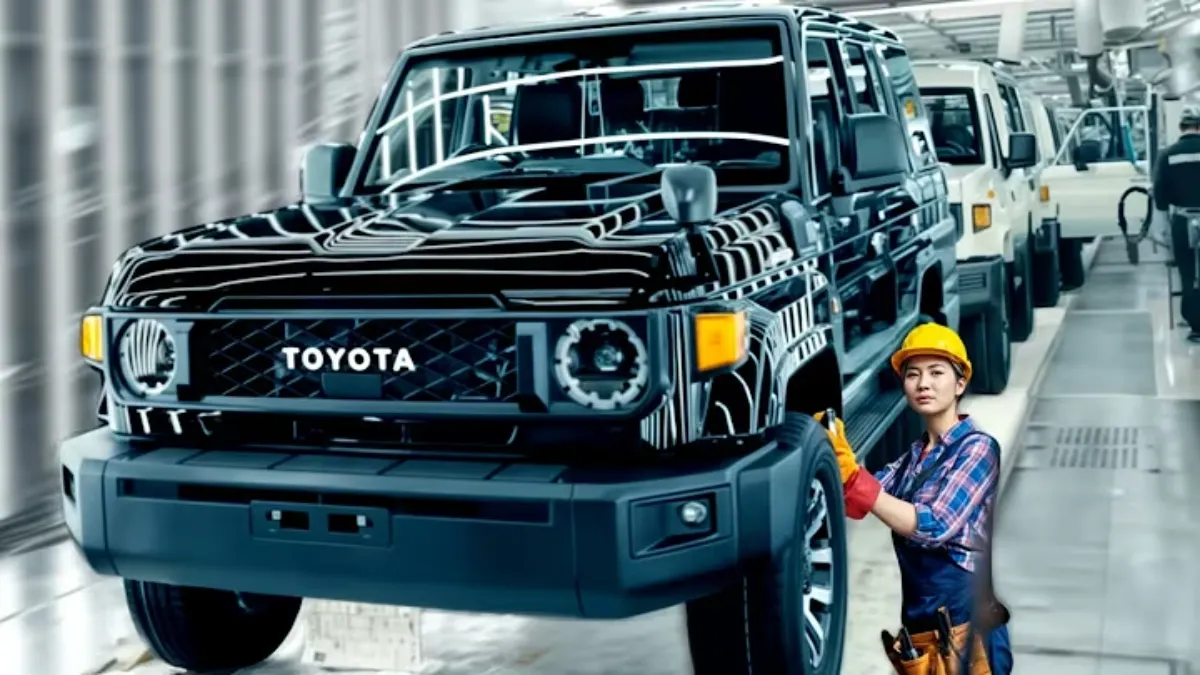
Toyota U.S.-Made Vehicles : In a historic shift that underscores the evolving dynamics of global trade and automotive diplomacy, Toyota Motor Corporation is reportedly preparing to import U.S.-made vehicles into Japan — a move likely to be announced during former U.S. President Donald Trump’s visit to Tokyo. This bold decision represents a major step by Japan’s largest automaker to balance trade relations between the two economic giants and symbolizes Toyota’s growing responsiveness to global political pressures. The plan, first revealed by Japan’s public broadcaster NHK, aims to showcase Japan’s willingness to open its domestic market further to American products and reduce the trade gap that has long been a point of contention between Washington and Tokyo.
Toyota’s initiative not only marks a change in direction for the company’s long-standing manufacturing model but also highlights the increasingly blurred line between business strategy and geopolitical influence. Traditionally, Toyota produces vehicles in the U.S. primarily for American consumers, with Japan-focused production remaining domestic. However, with changing trade priorities and rising manufacturing costs, this move could represent a more flexible, globally integrated strategy that benefits both nations.
Toyota’s Strategic Shift
For decades, Toyota’s manufacturing strategy revolved around producing vehicles where they were sold, minimizing import costs and aligning with local preferences. Now, by importing American-made vehicles into Japan, Toyota demonstrates adaptability in a fast-changing global trade environment.
This decision is seen as part of Japan’s effort to address American concerns about its trade surplus. Reports suggest Toyota Chairman Akio Toyoda could announce the plan during meetings with U.S. officials, highlighting the company’s commitment to fair trade practices.
The imported vehicles could include models produced in Toyota’s Kentucky and Texas plants, two of its largest production centers in North America. Although specific models have not been confirmed, industry insiders speculate the vehicles could be U.S.-built versions of Toyota’s popular SUVs and pickup trucks.
Key Details of the Announcement
| Details | Information |
|---|---|
| Event | Announcement expected during Donald Trump’s upcoming visit to Japan |
| Source | Reported by NHK and Reuters |
| Company Involved | Toyota Motor Corporation |
| Likely Presenter | Akio Toyoda, Chairman of Toyota |
| Goal | To import U.S.-manufactured Toyota vehicles into Japan |
| Purpose | To reduce the U.S.–Japan trade imbalance and strengthen bilateral relations |
| Regulatory Steps | Japan may allow certain U.S.-made vehicles to bypass additional domestic testing |
| Official Status | Yet to be officially confirmed by Toyota |
Why This Move Is Significant
The announcement could have wide-reaching implications for both the automotive sector and international trade relations. For the United States, the decision highlights a win for its manufacturing base — potentially boosting exports and creating new job opportunities for American workers. For Japan, it signals a willingness to compromise and evolve, addressing long-standing criticisms that its market is difficult for foreign-made cars to penetrate.
Toyota’s move also holds symbolic value. During the Trump administration, one of the key issues in U.S.–Japan relations was the trade imbalance in automobiles. By importing cars built in America, Toyota sends a strong message that it is committed to contributing to a balanced, mutually beneficial trade relationship.
Economic and Industrial Impact
Toyota’s plan could subtly transform trade patterns in the global automotive market. The initiative supports Japan’s broader economic diplomacy efforts and demonstrates how automakers are adjusting strategies to cope with tariffs, global inflation, and shifting supply chain realities.
It could also set an example for other Japanese automakers like Honda and Nissan, who may consider similar steps in the future if Toyota’s experiment proves successful. Furthermore, Japan’s potential regulatory easing for U.S. vehicles could open the market for American brands like Ford and General Motors, which have long struggled to gain traction among Japanese consumers due to strict vehicle testing requirements and cultural preferences.
Challenges and Future Questions
While the move is strategic, it is not without challenges. The first question revolves around consumer demand. Japanese buyers traditionally favor smaller, fuel-efficient, right-hand-drive cars — characteristics that U.S.-made models often lack. Adapting these vehicles for the Japanese market could involve high costs and logistical complexities.
Another concern is whether the Japanese government will approve the proposed testing exemptions. Currently, imported cars must undergo additional certification processes, and relaxing these rules might draw criticism from local automakers and regulators.
Still, Toyota’s global influence and reputation may help navigate these challenges smoothly. The company’s advanced production systems and high-quality standards can help ensure U.S.-made vehicles meet Japanese expectations.
Broader Implications for Global Trade
Toyota’s plan to import vehicles from America to Japan reflects a broader realignment in global trade. Automakers are increasingly acting as diplomats in an era where industrial policy and international relations intersect. For the U.S., it’s an opportunity to showcase its manufacturing capabilities and strengthen its economic ties with Japan. For Japan, it’s a chance to modernize trade policies and project itself as an open, cooperative global partner.
If successful, this initiative could influence future trade deals, especially in the Asia-Pacific region. It might also encourage new forms of industrial cooperation — such as technology sharing, joint ventures, and co-manufacturing projects between American and Japanese companies.
Conclusion
Toyota’s plan to import U.S.-made vehicles into Japan during Donald Trump’s visit marks a turning point in international automotive trade. It is not merely a business move but a symbolic gesture of goodwill and cooperation between two of the world’s largest economies. While questions remain about consumer response and regulatory hurdles, the initiative represents a bold step toward balancing trade and reshaping the future of car manufacturing.
In a world where global supply chains are under constant pressure, Toyota’s decision could redefine what “Made in America” means — not just for U.S. consumers, but for the entire global marketplace.